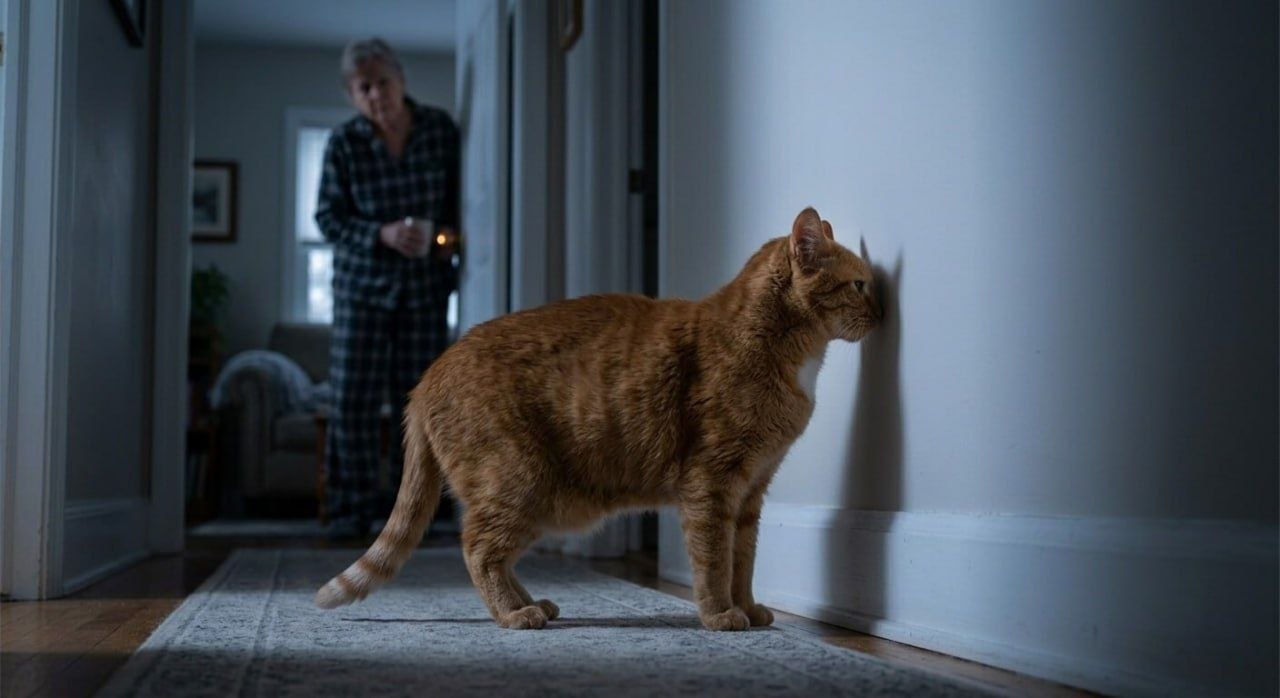
Dementia in cats, or cognitive dysfunction syndrome, is becoming an increasingly common phenomenon among older pets. This condition can manifest in various ways, but one of the main signals is a change in behavior, particularly nighttime vocalizations.
Symptoms of Dementia in Cats
Cats suffering from cognitive dysfunction may exhibit various symptoms that should be monitored closely. One of the most common is:
- Nighttime vocalizations: If your cat is over 10 years old and suddenly starts meowing loudly at night, it may be a sign that they have forgotten where they were going or what they were doing.
- Behavioral changes: Cats may become more irritable or, conversely, more passive.
- Loss of interest in play: If your cat used to love playing but has now lost interest, this could be another signal.
- Orientation problems: Cats may get confused in familiar places or not understand where they are.
Diagnosis and Treatment
Diagnosing cognitive dysfunction syndrome in cats can be challenging, as many symptoms may resemble other illnesses. It is essential to consult a veterinarian if you notice any changes in your pet's behavior. Treatment may include:
- Medications: There are medications that can help improve a cat's cognitive functions.
- Dietary changes: Specialized diets can support brain health.
- Training and play: Regular games and mental exercises can help maintain brain activity.