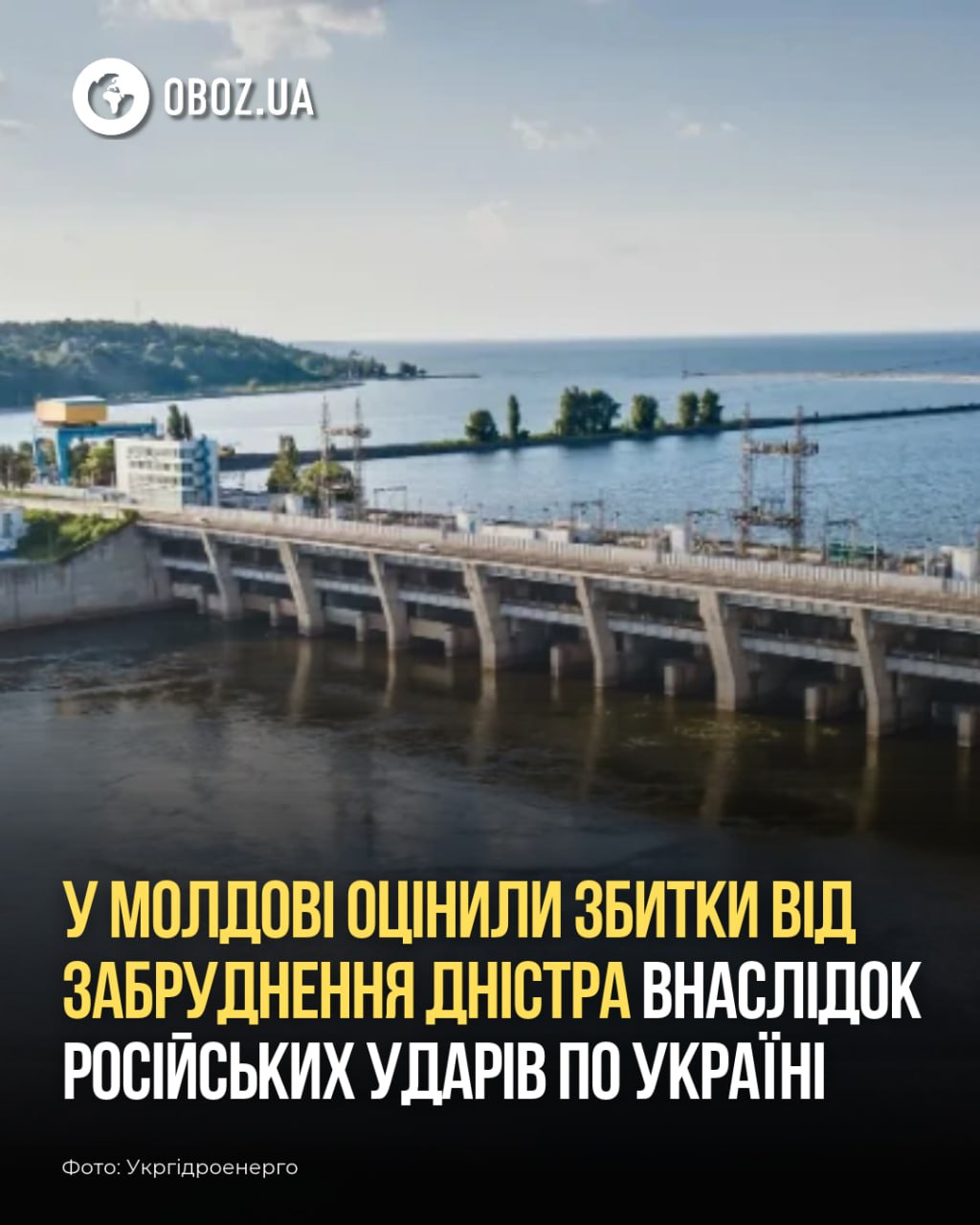
In spring 2026, following a Russian attack on a Ukrainian hydroelectric station, the Dniester River suffered significant pollution, leading to serious ecological and social consequences for Moldova. The damages inflicted on the country are estimated at over 2 million euros.
Social Consequences of Pollution
As a result of the ecological disaster, approximately 100,000 people in Moldova were left without centralized water supply. This caused severe issues with access to clean water, which, in turn, affected the daily lives of residents. In some areas of the country, schools had to be closed as conditions became unacceptable for children's education.
Measures to Address the Consequences
To tackle the problems caused by the pollution, international experts have developed a program of measures for the period 2026–2031. This program aims not only to restore the Dniester ecosystem but also to prevent similar incidents in the future. The main areas of the program include:
- Cleaning of polluted waters and soils;
- Restoration of natural habitats;
- Improvement of water supply and drainage systems;
- Conducting awareness campaigns for the public about ecological risks.
These measures are critical for restoring citizens' trust in the water supply system and protecting the region's ecology.