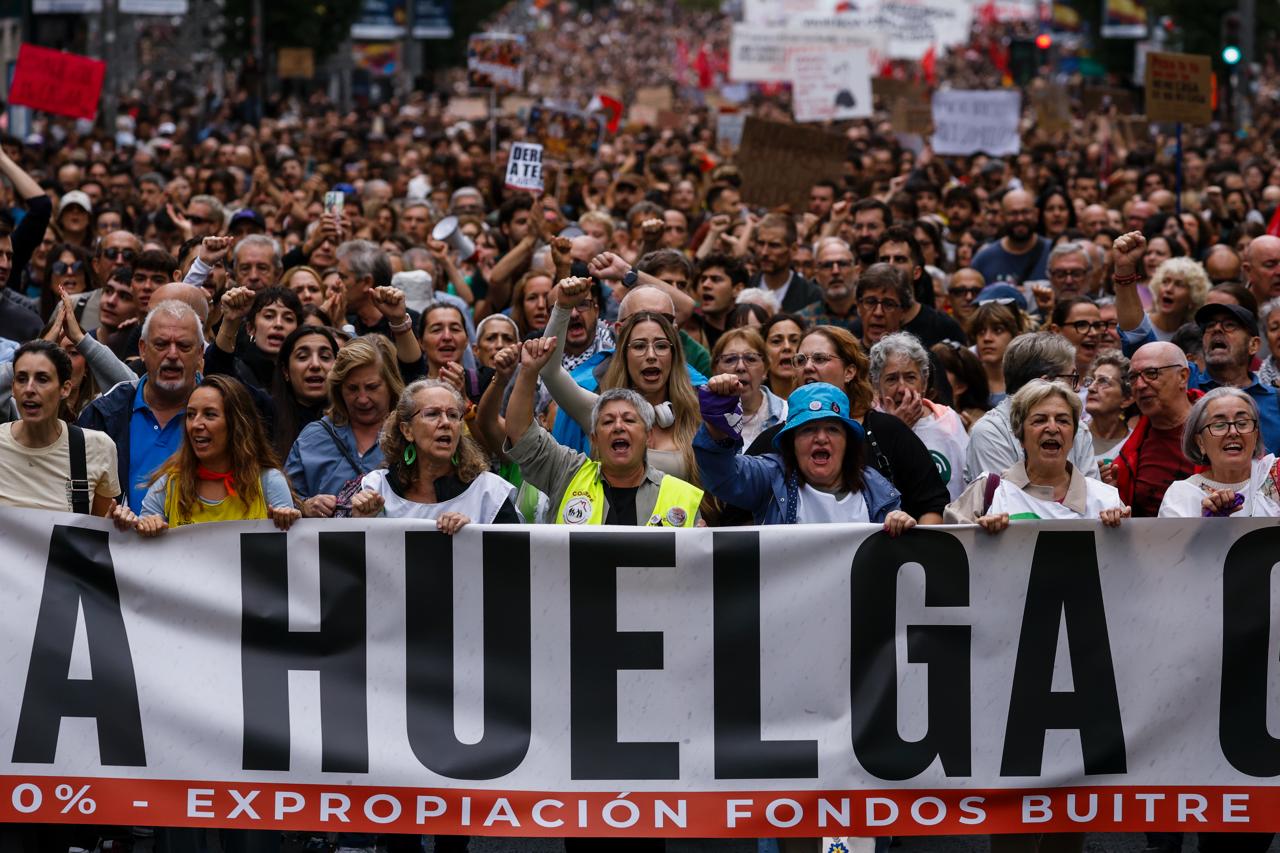
On November 11, 2026, Spain witnessed its first nationwide strike in 14 years, with approximately four million workers participating. People took to the streets to express their dissatisfaction with rising housing costs, despite challenging weather conditions.
Reasons for the Protests
The strike was organized by the two largest trade unions in the country – UGT and CCOO, representing over a million workers. The main reasons for the protests included:
- Increasing rent prices that have become unaffordable for many families.
- Cases of eviction that have sparked outrage among tenants.
- The death of an 87-year-old woman in Madrid, which became a symbol of housing policy issues.
Public and Government Response
The protests received support from tenant associations, which are also opposing the rising housing costs. In response to the mass actions, the Spanish government called for dialogue and solutions to alleviate the housing market situation. However, many protesters believe that the government's response is insufficient.
Historical Context
This strike was the result of weeks of demonstrations occurring across the country. These were driven not only by economic factors but also by social issues that have accumulated over the years. The 2026 protests have become the largest since the financial crisis of 2008, when Spain faced similar challenges in the housing market.