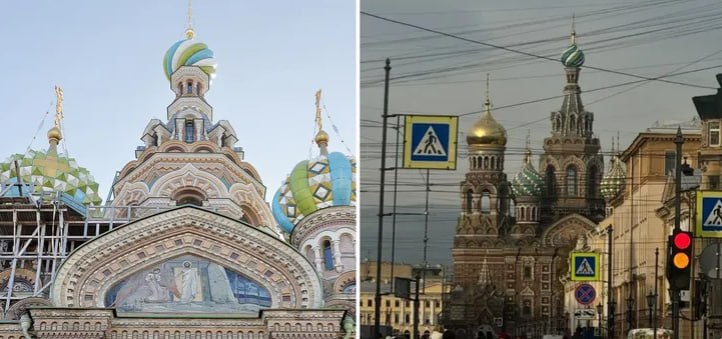
On October 18, 2026, scaffolding was removed from the Church of the Savior on Spilled Blood in St. Petersburg. This event has raised concerns among locals, as it is associated with ancient beliefs that the completion of restoration work may lead to disasters.
History of the Church of the Savior on Spilled Blood
The Church of the Savior on Spilled Blood was built on the site where Emperor Alexander II was mortally wounded in 1881. This architectural landmark is a symbol of St. Petersburg and an important part of Russian culture. Restoration of the church began in the 1970s and took many years, highlighting its historical significance and the complexity of its restoration.
Public Sentiments and Beliefs
As the scaffolding was removed, many Russians recalled the beliefs associated with this process. It is thought that if a building is freed from scaffolding, it may lead to serious disasters, such as natural calamities or political crises. These fears fuel public sentiments indicating that the completion of restoration work could be a sign of impending negative events.
Why This Matters for Russia
The removal of scaffolding from the Church of the Savior on Spilled Blood may hold symbolic significance for Russians. Many believe it signifies the end of an era related to restoration and renewal, opening a new phase that could be fraught with dangers. In the context of modern political and social challenges, this could raise additional concerns among the population.